Why governments, private sector and citizens all over the world need to collectively confront the looming crises of demographics, urbanisation, food-water-energy shortages, biodiversity, environmental integrity and human welfare
I attended the launch of the Economics of Ecosystems and Biodiversity for Business Coalition on 6 November 2012.
- Our world has rapidly passed through a series of inflexion points.
- First, our world population has exceeded 7 billion.
- Second, more than half of all human beings live in cities.
- Third, the age of cheap and plentiful natural resources – when we could literally scrape coal, iron ore, oil, gas easily from the surface of the planet – is ending.
- Fourth, we are running out of fresh water on a global scale.
- Fifth, the nexus between energy, water and food means we desperately need another agricultural revolution in the next decade or so.
- Sixth, we cannot afford to continue to simply dump pollutants, waste, toxins and carbon dioxide into the atmosphere and seas regardless of their impact on human health and safety and planetary ecology.
- Seventh, globalisation and information revolution has created enormous opportunities for billions of people from developing countries, but it has also created enormous competitive pressure on everyone. It has completely transformed the nature and value of employment and enterprise in half a century – probably a rate of change that is unparalleled in human history. It has also increased disparities between those able to exploit opportunities and those left behind.
Sustainable development
Build the most beautiful city you can; plant as many trees as you can; invest in the latest technology; conserve water, energy and resources; and find honest, competent and visionary leadership
 I spoke at the Opening Plenary of the Singapore International Water Week 2012, World Cities Summit and CleanEnviro Summit. Professor Tommy Koh, who was the moderator, asked:
“Minister, my question to you is two-fold. First, this plenary brings together our colleagues from water, city and the environment. What is the common thread that ties the three together, and what are some lessons learned that you would like to share with us?”
Whole Earth Discipline
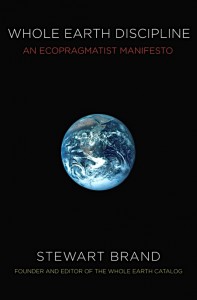
Peter Schwartz highly recommended this book when we met for dinner last week. It has been a mind blowing journey traversing ecology, urbanisation, climate change, transgenic crops, nuclear energy and geoengineering. We don’t have to agree on everything, but we must think carefully through these issues, and be prepared to change our minds as new information emerges.