What's in Dr Vivian Balakrishnan's gadget boxes
By day, he has to deal with the haze, floods and other acts of God, but by night, Environment and Water Resources Minister Vivian Balakrishnan is a self-confessed techie who fixes his own gadgets.
As a boy, he began by hacking computer games.
“As far as games were concerned, I wasn’t very good at them,” he said with a laugh.
“I learnt to program in order to hack the games,” said Dr Balakrishnan, 53.
A busy year for MEWR, NEA and PUB
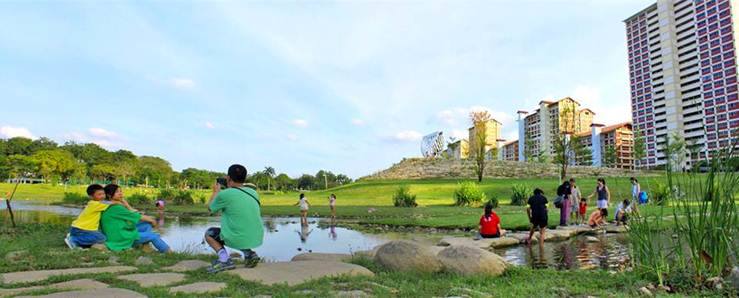
Speech by Dr Vivian Balakrishnan, Minister for the Environment and Water Resources, Committee of Supply Debate, 11 March 2014 (Section A)
Date Published: 11 Mar 2014
1. Mdm Chair, my colleagues in NEA, PUB and MEWR have had a very busy year. In the space of 12 months, we have had to confront the worst haze episode ever; the worst dengue outbreak ever; we still had a couple of localised flash floods to deal with, and now we have the most prolonged dry spell ever. February has been the driest month on record and also the windiest month on record. We seem to be bent on breaking new records all the time.
Professor Arthur Lim – A Giant, Ahead of his Time
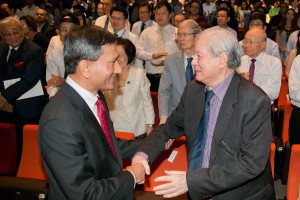
Professor Arthur Lim,
Mrs Lim,
Friends,
Ladies and Gentlemen
1 I can honestly say friends because I can see many familiar faces, people who have been part of my life, and that of my ophthalmic colleagues here.
2 Donald has already given you a brief summary of Professor Lim’s multiple achievements. I don’t think I need to recite that. But I do want to beg your indulgence for me to have some license to ramble on about the lessons that I’ve learnt from Professor Lim over the years.
Thrilled to meet Steve Wozniak – and why Singapore needs to quickly build up critical mass of engineers, artists and angel investors
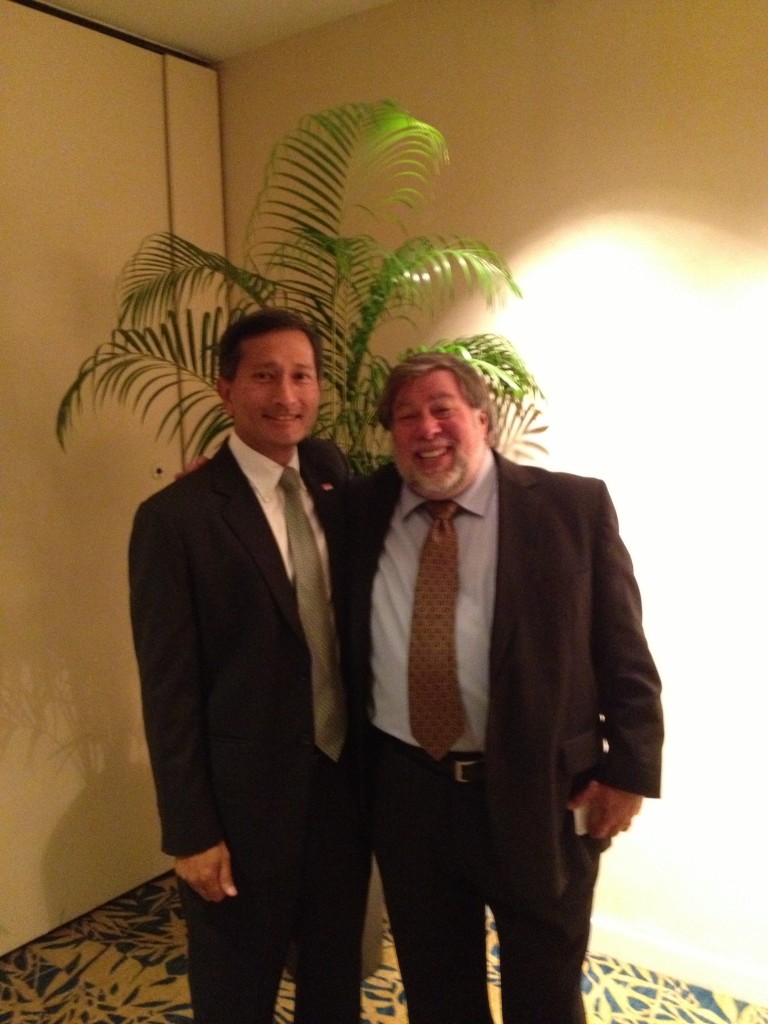
Thrilled to meet Steve Wozniak – and to discuss why Singapore needs to quickly build a critical mass of engineers, artists and angel investors.
We spoke at the Midas Touch Asia 2013 Enterprise Award ceremony on 26 August.
Edited excerpts of my speech – on Singapore’s prospects for making an impact on the ICT revolution.
In 1982, my father bought my first computer – it was an Apple II Plus. Many of you here are too young to have used that venerable piece of technology.
Your job, politics, position, everything is temporary. The only thing that you are forever, is a son, a brother, a husband, a father, a grandfather
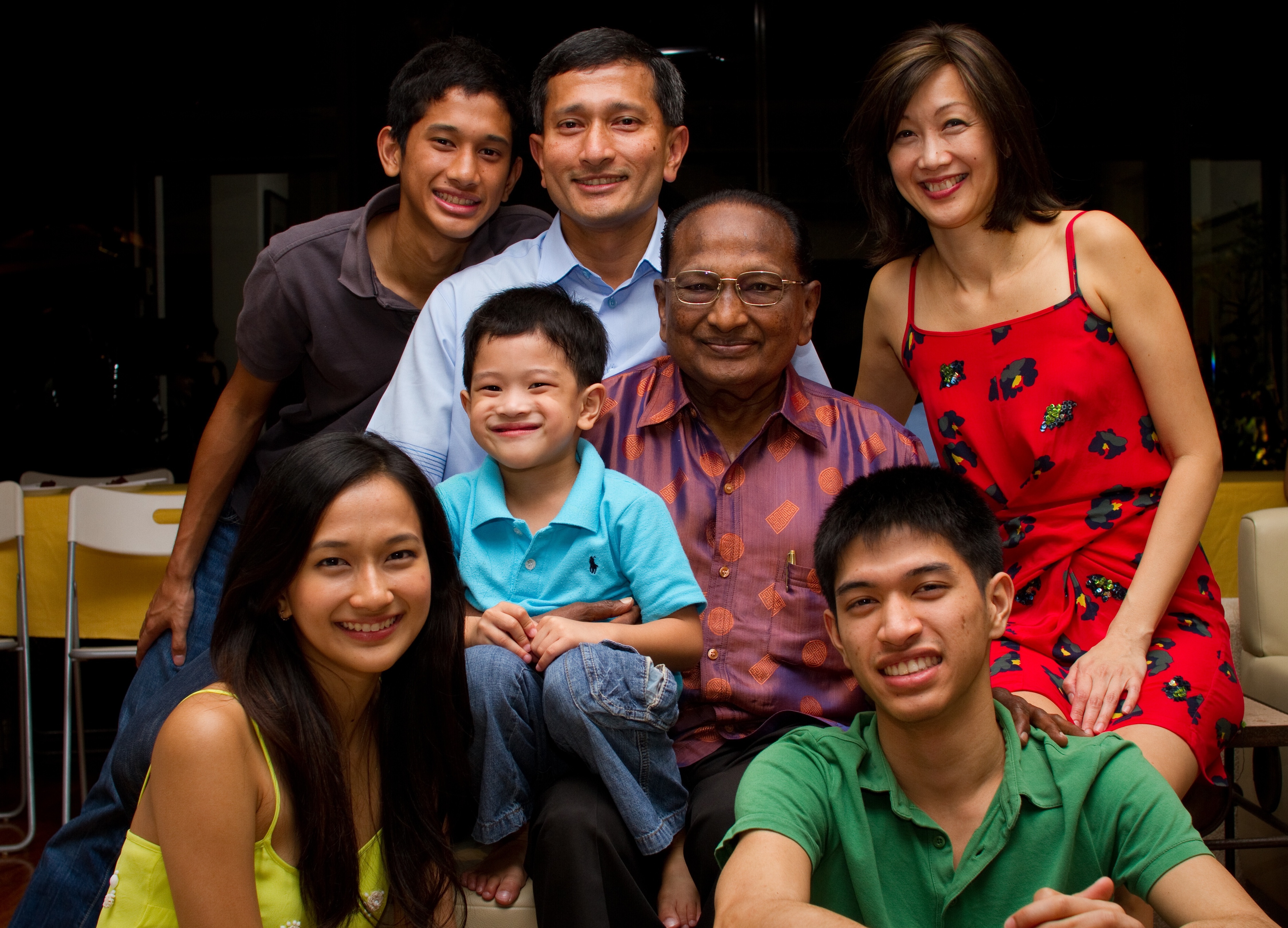 Edited excerpts of an interview by Elgin Toh of the Straits Times that was published at http://www.singapolitics.sg/supperclub
(Why did you choose this place – Senja-Cashew Community Club – to meet for supper?)
This place has special significance. Back in 2006, we decided to build a pool in Bukit Panjang. However, it was supposed to be in another location further south.
My first post-election block visit was to a block opposite here. At the end of the visit, the grassroots leaders went to the top, looked down, saw this pond (by the current location of Senja-Cashew CC), and said, “Actually, the pond is the centre of the town. So, instead of building the pool in the original site, let’s build it here.”
The need for ethical professional leadership and how doctors are key cost drivers in healthcare
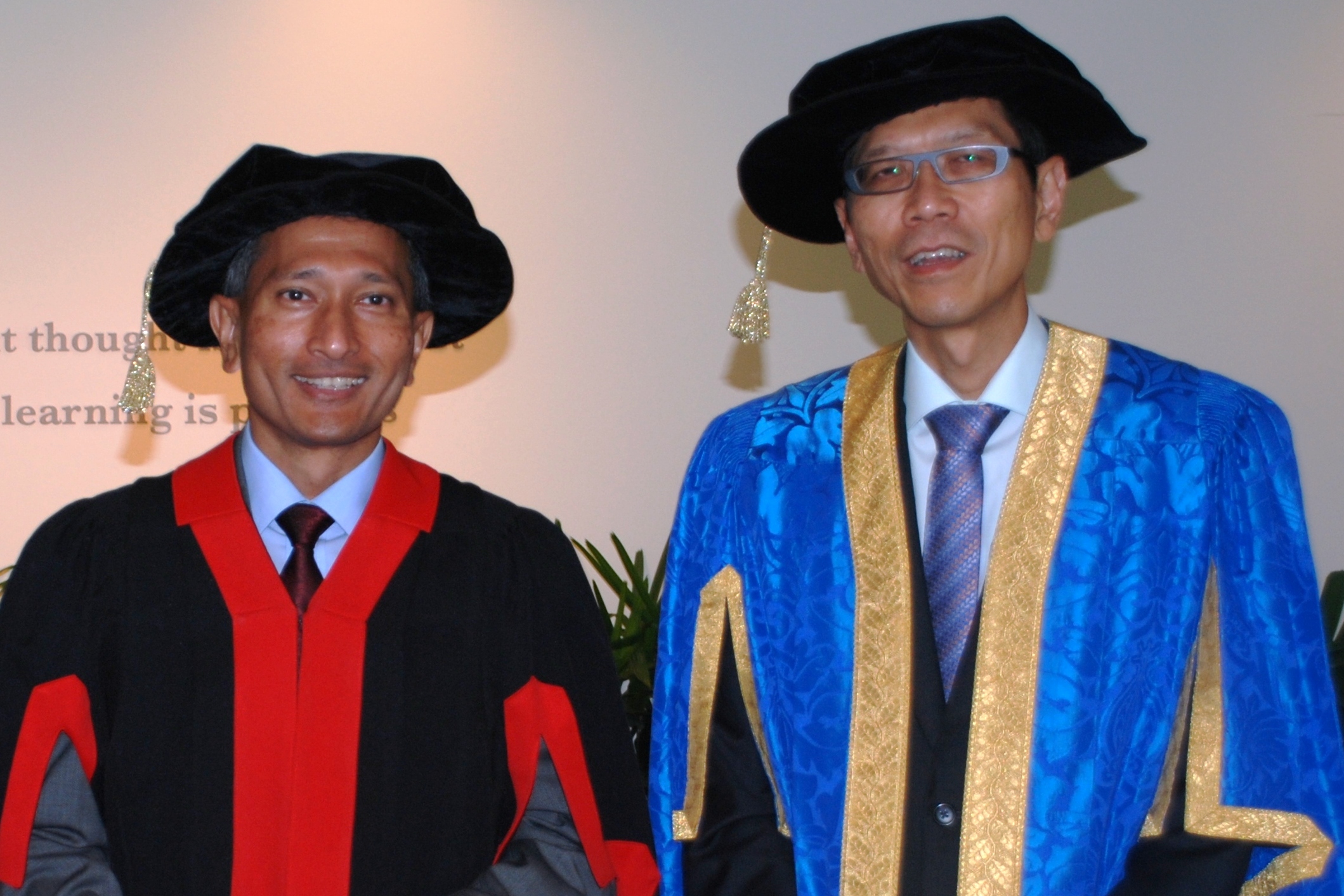
Edited excerpts of a speech I made at a NUS Commencement Ceremony on 14 July 2013.
Good morning and congratulations to those of you who are receiving your degrees today, and even heartier congratulations to the families that stand behind each one of you this morning.
There is a great difficulty in making speeches like this – I could read from the prepared text or I could tell you how I feel. If you do not mind, I want to tell you how I feel, not as a Minister, but speaking as someone who has walked in the shoes of everyone of you today, who is receiving a post-graduate degree.